Essay · Argument
Without Worrying About the Consequences
Just make it clear what you want and don't want — and say it without worrying about the consequences.
My father's advice, in a text I sent my kids, December 8, 2024
The most dangerous advice I know, and the best. It is not for everyone. It is for good people, who are the only ones not already living this way.
- Over a lifetime
- 3 to 1
- regrets for things not done outnumber regrets for things done, in Gilovich and Medvec's surveys
- The weight of a loss
- 2×
- about how much heavier a loss feels than a gain the same size, in Kahneman and Tversky's work
- Demotion to Nobel
- 28 yrs
- from 1995, when Katalin Karikó was demoted for her mRNA work, to the prize in 2023
In December of 2024 my nephew told his grandmother he did not want a new dog. My father told me what he had said about it, and on December 8 I sent my kids a text. Good job, it said. Then the line he had given me, passed along.
The text, as I sent it:
December 8, 2024 A text to my kids
Just make it clear what you want and don't want — and say it without worrying about the consequences.
The version I carry is broader, because that is how my father gave it to me: say and do whatever you need and want, without worrying about the consequences. The text to my kids kept the saying. The doing I have kept for myself, and I think he would allow it.
What the sentence actually says
Make it clear. Not a hint, not a hope that someone guesses. Say it plainly enough that nobody has to interpret you.
What you want and don't want. Both halves. Most of us are good at one and bad at the other.
Say it. Out loud, to the person it concerns. A want you keep to yourself is a wish, and wishes do not get answered.
Without worrying about the consequences. This is the part that makes people flinch. He did not say there would be none. He said do not let the worrying decide.
The consequences are coming either way. The only question is whether fear got a vote before they arrived.
It helps to know who was talking. I have three other lines of my father's in the quote corner. Discipline is doing what you promise yourself you will do; responsibility is doing what you promise others you will do. All good people have the same religion; it's the bad ones who don't. Read alone, this advice sounds like a license. Read next to the rest of him, it is permission.
Good people. They are the only ones who need it.
The first objection: in the wrong hands this is dangerous. But people who hurt others are not held back by consequences, so telling them this changes nothing. Good people mistake a heavy conscience for wisdom, and call the silence being considerate. Most of it is fear with good manners.
The advice lands on people who will use it well, and who will not use it at all until someone gives them permission. That is what the text was: permission, passed to my kids the way my father once passed it to me.
Who the advice reaches, and who it does not:
Why the worry usually wins
It is not weakness. It is wiring. Kahneman and Tversky showed that a loss feels about twice as heavy as a gain the same size, so what you might lose lands with double weight before you have thought at all.
Then there is regret. Gilovich and Medvec found that, over a lifetime, about three to one, the regrets are for things not done. What you did, you fixed. What you did not do is still sitting there.
The two kinds of regret, over time:
In 1994 a thirty-year-old on Wall Street asked which he would regret more at eighty: trying to sell books on the internet and failing, or never trying. He quit and started Amazon, and he calls it his regret minimization framework. My father got it into one sentence, and the occasion was a boy and a dog.
Two of the people behind the numbers:
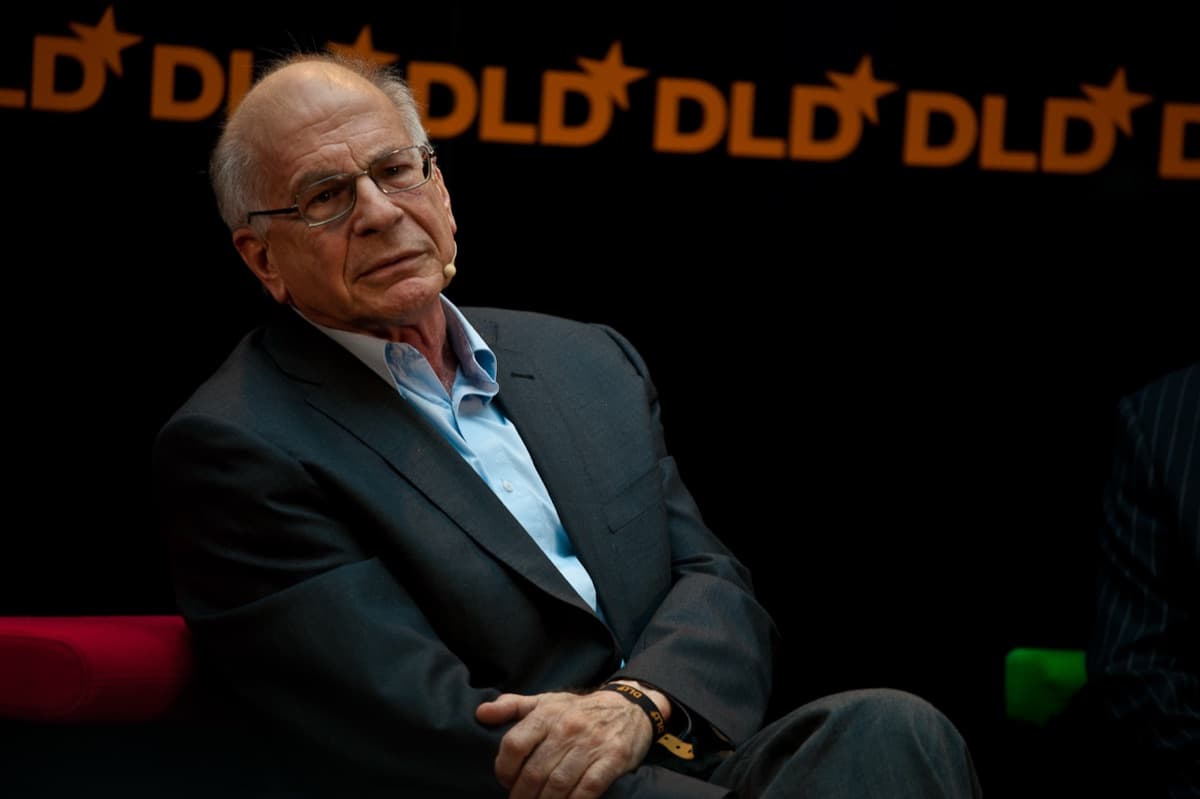
Daniel Kahneman, 2009. With Amos Tversky he measured how much heavier a loss feels than a gain: about twice.
Photo: nrkbeta, CC BY-SA 2.0, via Wikimedia Commons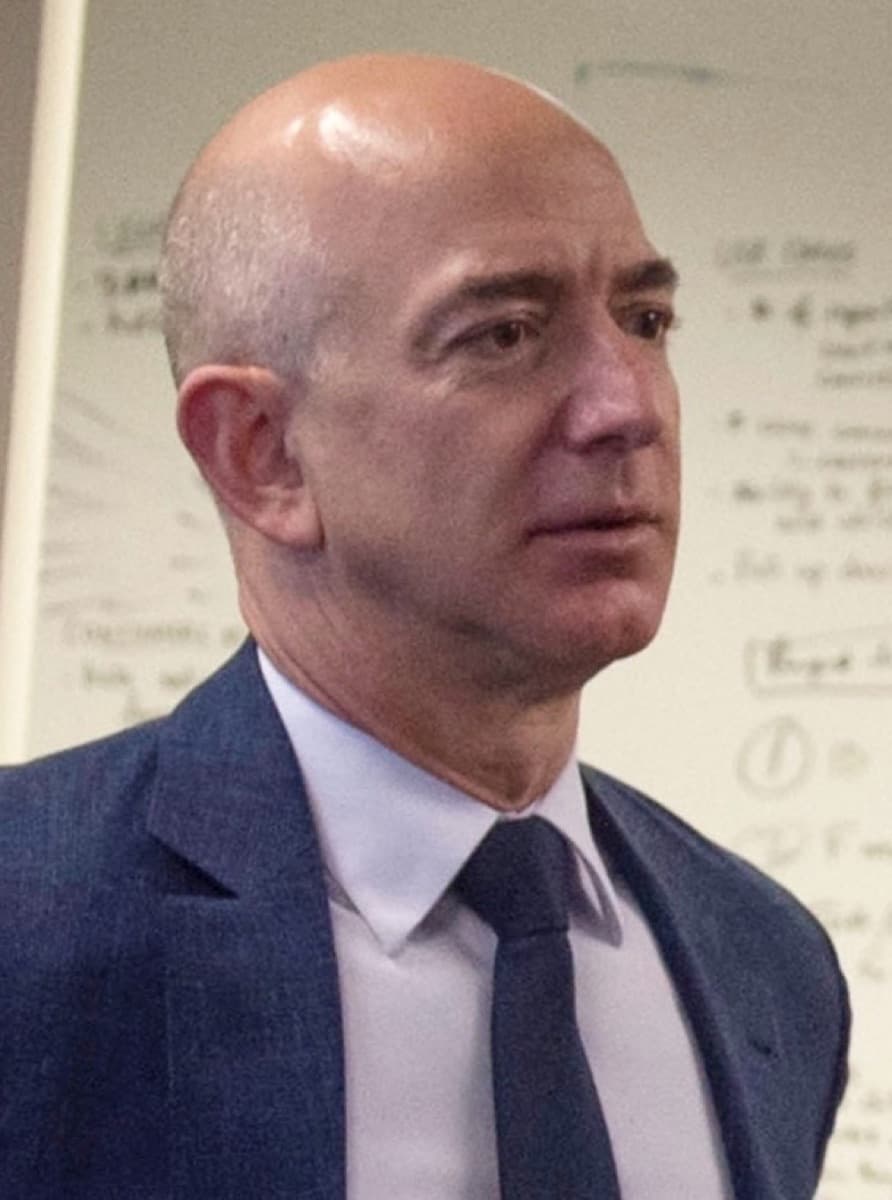
Jeff Bezos, 2016. At thirty he asked what he would regret at eighty, and quit his job.
Photo: Senior Master Sgt. Adrian Cadiz, U.S. Department of Defense, CC BY 2.0, via Wikimedia CommonsThree people who lived this way
Advice is abstract until you watch someone live it: three people who said what needed saying, real consequences waiting. Two were rewarded. One was not. I include him on purpose.
Barry Marshall, 1984
Every textbook said ulcers came from stress and acid. Barry Marshall said a bacterium caused them, and could not get approval to test it on patients, so he drank the bacteria himself, got sick, and treated himself. He and Robin Warren won the Nobel Prize in 2005.
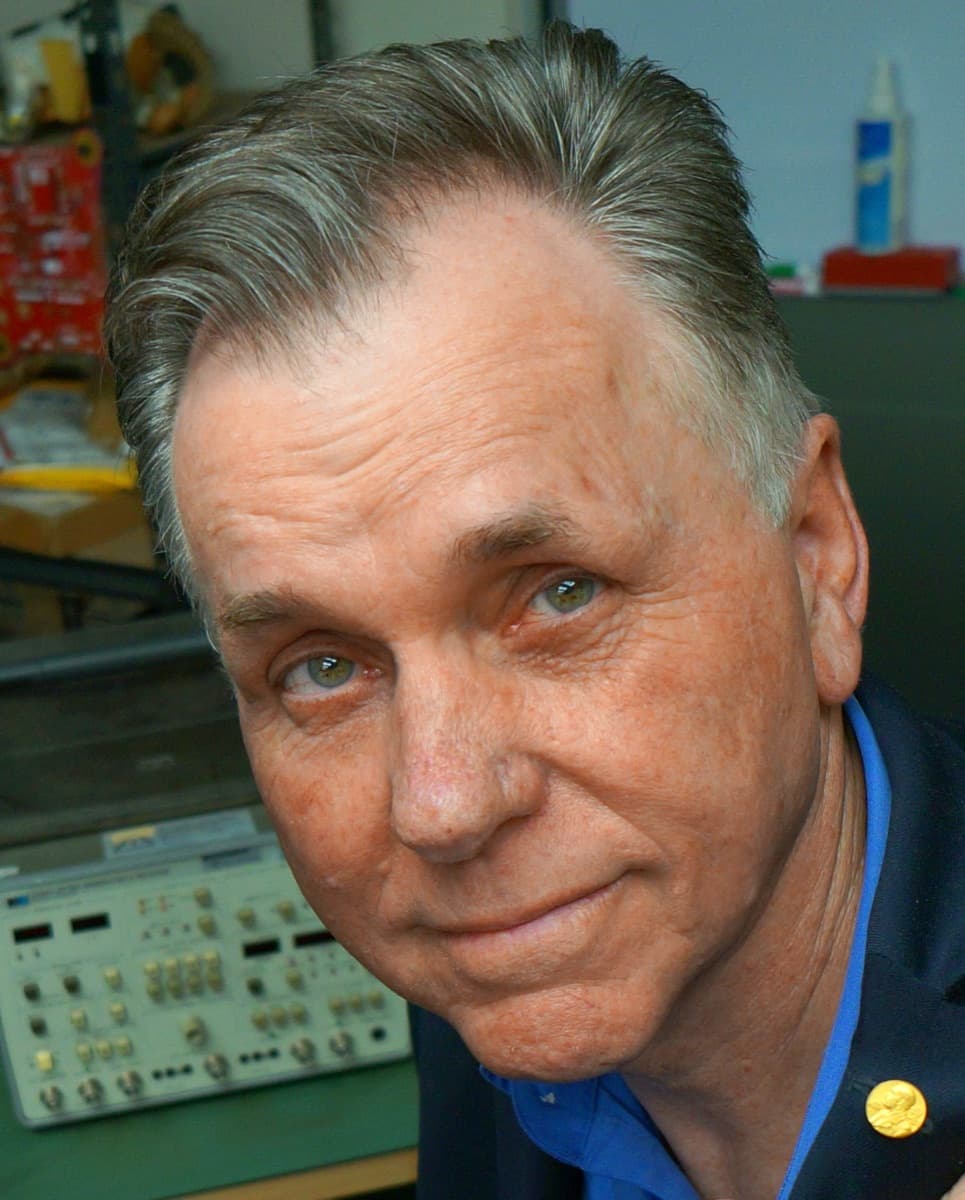
Barry Marshall, 2019.
Photo: Binarysequence, CC BY-SA 4.0, via Wikimedia Commons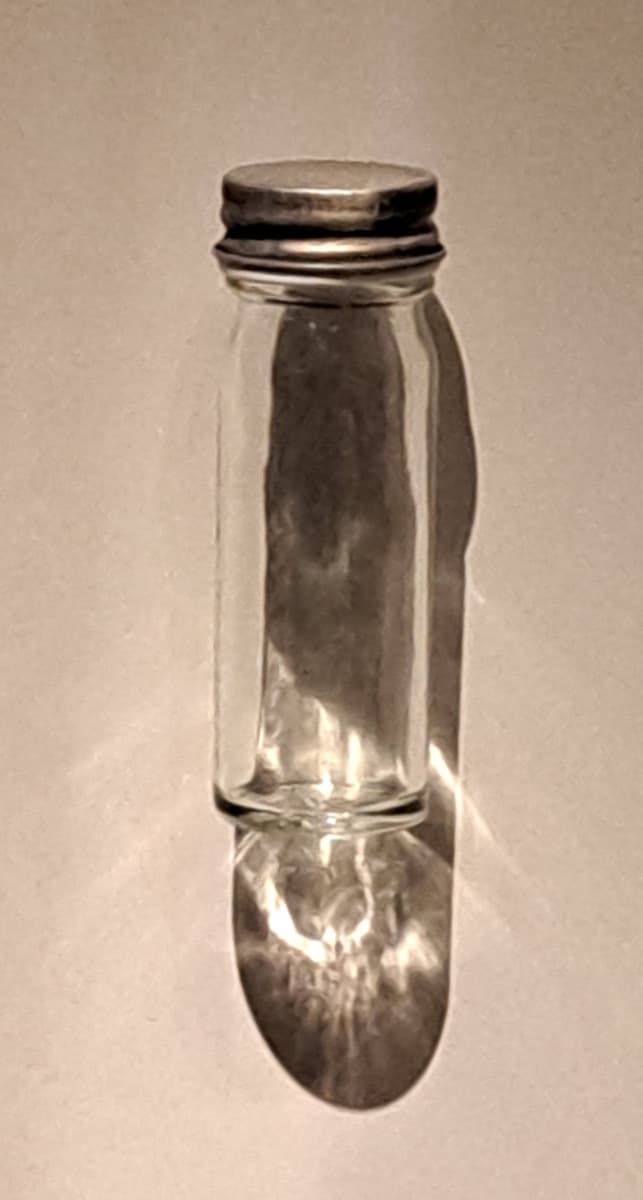
The jar of Helicobacter pylori broth he drank, in the Nobel Museum, Stockholm.
Photo: Gaius Cornelius, CC BY 4.0, via Wikimedia CommonsKatalin Karikó, 1995
Katalin Karikó believed messenger RNA could become medicine when nobody else did. Her grants were turned down, and in 1995 the University of Pennsylvania told her to drop it or take a demotion. She took the demotion and kept at it for two decades. That work became the COVID vaccine; in 2023 she won the Nobel Prize.
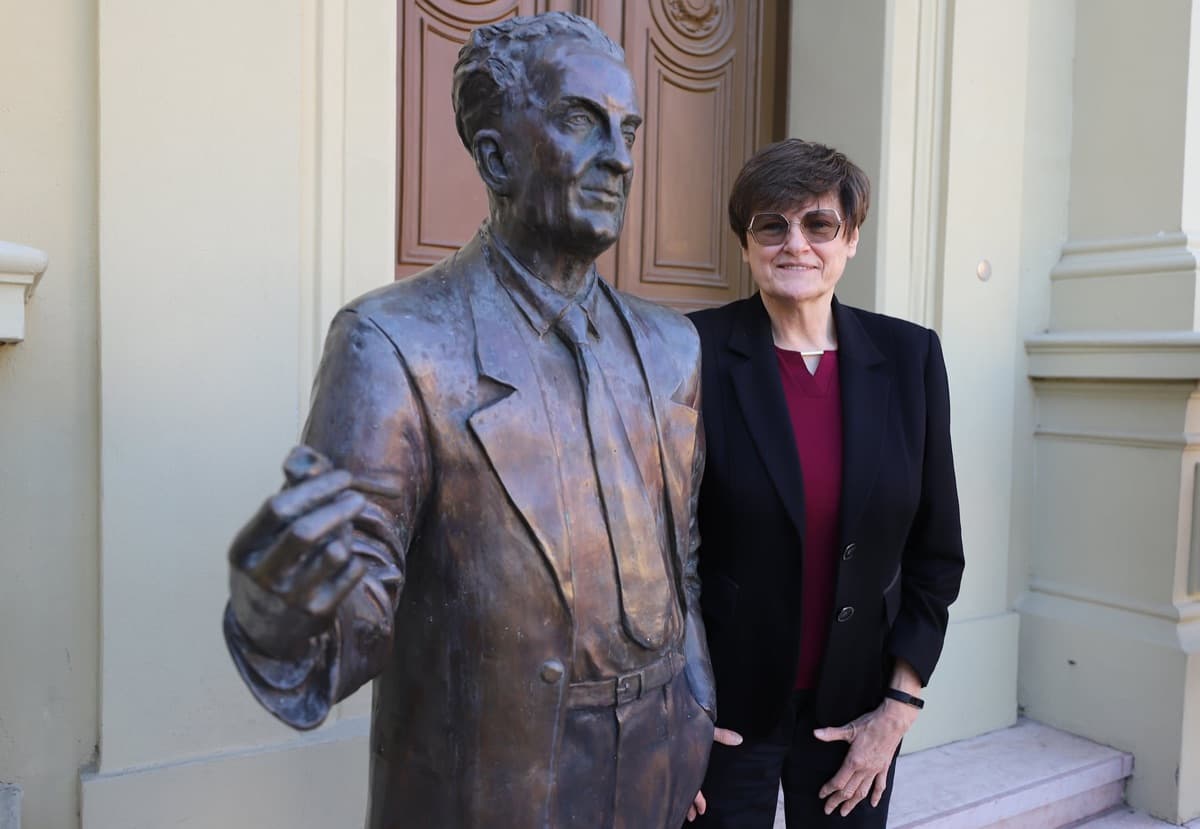
Katalin Karikó at the University of Szeged, May 2021, two years before the prize.
Photo: University of Szeged (Szegedi Tudományegyetem), CC BY-SA 4.0, via Wikimedia CommonsIgnaz Semmelweis, 1847
Ignaz Semmelweis said what nobody in Vienna wanted to hear: doctors were carrying death from the autopsy room to the maternity ward, and washing their hands would stop it. Deaths among new mothers fell from eighteen percent to under two. He was ignored, then pushed out, and died in an asylum in 1865, before Pasteur proved him right.
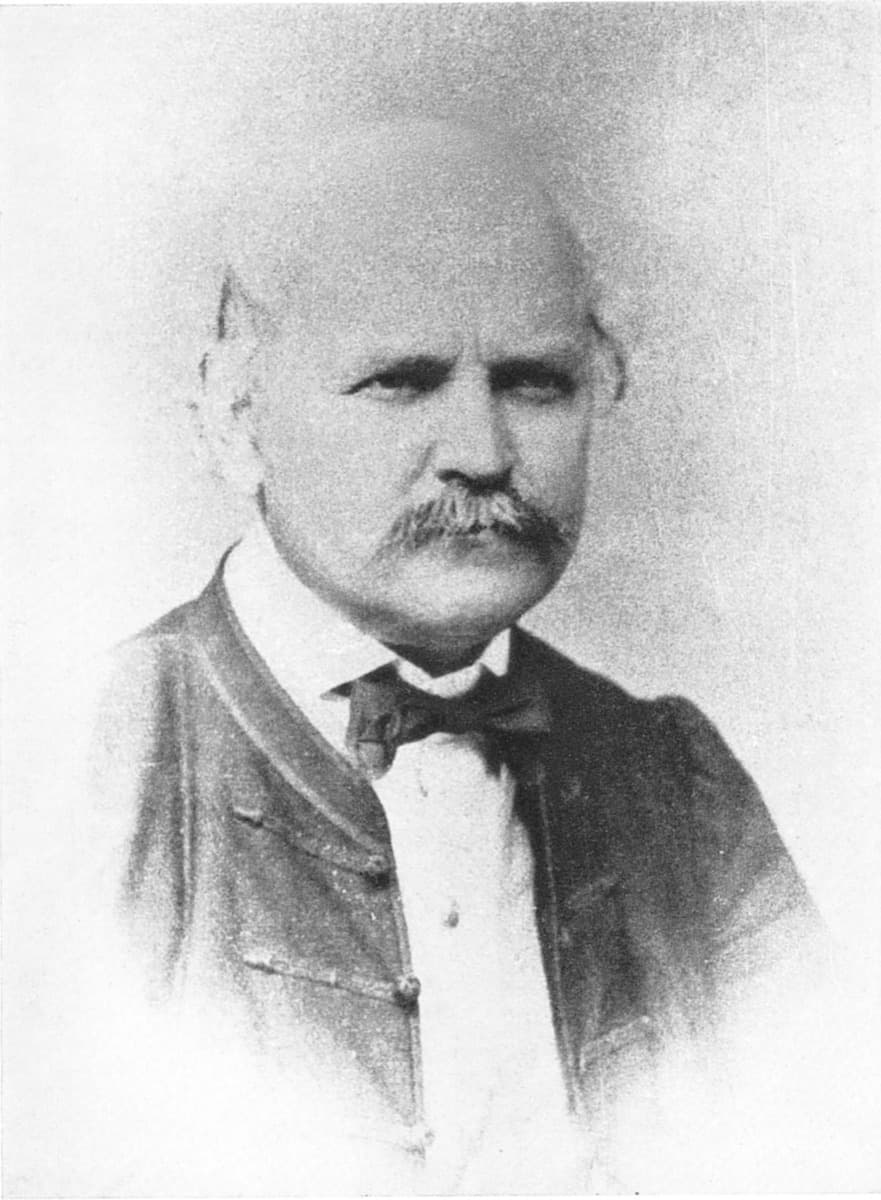
Ignaz Semmelweis in 1861, four years before he died.
Photo: Borsos and Doctor, 1861, public domain, via Wikimedia CommonsAll three pushed the envelope: the range a plane has actually been flown and proven safe, which grows only when a pilot flies past its edge on purpose. Nobody has ever pushed an envelope from the middle.
The envelope, and how it grows:
A hundred ways to say hold back
Think before you speak. Don't burn bridges. Read the room. Each is useful now and then; together they are a brake with no gas pedal. The cost is invisible: you never see the company not started, or the friendship gone quiet because nobody called first.
Dreamers need to be told to dream. It is the hardest advice there is, because everything pulls the other way. Roosevelt said it best, in Paris in 1910: credit belongs to the man in the arena, marred by dust and sweat and blood, who dares greatly. The critic does not count.
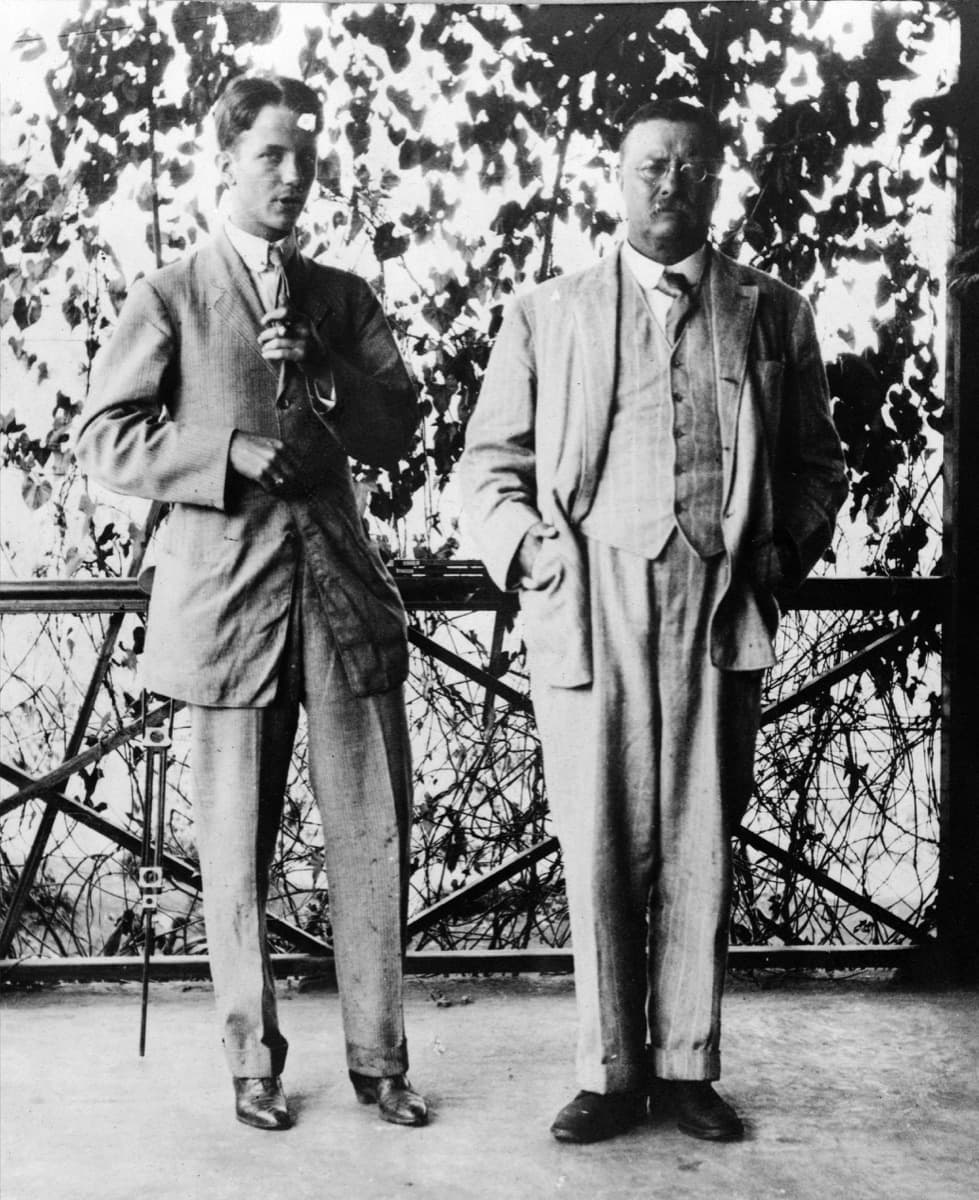
Theodore Roosevelt with his son Kermit, 1910, the year of the Paris speech. A father and a son, which seemed right for this page.
Photo: Warrington Dawson, 1910, public domain, via Wikimedia CommonsEnglish has a hundred phrases for holding back and about one for going ahead. My father gave me a second one.
Where the advice stops, and how I use it
Every good piece of advice has an edge. Want is not feel like. It does not cover cruelty, or what you would be ashamed of later. My father also gave me the line about responsibility, doing what you promise others. The advice does not take away what happens after; it takes away the paralysis before.
So here is how I use it. Say the true thing, kindly if you can, plainly if you cannot. Do the bold thing, carefully and prepared. When the worry shows up, treat it like weather: real, worth a coat, not a reason to stay home.
Three questions I ask before holding back. Not before acting. Before holding back.
- 01
Is it true, or is it needed?
If yes, the worry is not a reason. It is a feeling about a reason.
- 02
Is it mine to say?
Sometimes not. Be honest: it almost always is.
- 03
Am I holding back for them, or for me?
Usually for me, dressed up as for them. That is fear talking, and my father already told me what to do about it.
What he was really saying
I have not always taken this advice, and I know which of my regrets are which: the ones from speaking are small and healed, the ones from staying quiet are still open.
My father was not telling anyone to be careless. He was saying that a boy could be trusted with his own wants, and that the worry he would feel later was not conscience, just fear in good clothes. That is the kind of thing you can only say about someone you believe in, so I passed it on to my own kids.
Make it clear what you want and don't want. Say it. The consequences will come either way. Let them find you having spoken.
Every study named here carries the finding I took from it, so you can check me. Every photograph carries the credit its license requires.
- 01Kahneman, D., and Tversky, A. Prospect theory: an analysis of decision under risk. Econometrica 47(2), 263 to 291, 1979 (loss aversion). link ↗
- 02Tversky, A., and Kahneman, D. Advances in prospect theory: cumulative representation of uncertainty. Journal of Risk and Uncertainty 5(4), 297 to 323, 1992 (a loss weighs about 2.25 times a gain). link ↗
- 03Gilovich, T., and Medvec, V. H. The temporal pattern to the experience of regret. Journal of Personality and Social Psychology 67(3), 357 to 365, 1994. link ↗
- 04Gilovich, T., and Medvec, V. H. The experience of regret: what, when, and why. Psychological Review 102(2), 379 to 395, 1995 (over a lifetime, regrets for things not done outnumber regrets for things done by roughly three to one). link ↗
- 05Bezos, J. Baccalaureate remarks, Princeton University, May 30, 2010 (the 1994 decision and the regret minimization framework, in his own words). link ↗
- 06The Nobel Prize in Physiology or Medicine 2005, press release (Marshall and Warren; Helicobacter pylori). link ↗
- 07Barry J. Marshall, biographical, NobelPrize.org (the 1984 self-experiment). link ↗
- 08The Nobel Prize in Physiology or Medicine 2023, press release (Karikó and Weissman). link ↗
- 09Garde, D. The story of mRNA: how a once-dismissed idea became a leading technology in the Covid vaccine race. STAT, November 10, 2020 (the 1995 demotion). link ↗
- 10Wikipedia, Ignaz Semmelweis (1847; the fall from eighteen percent to under two; 1865). link ↗
- 11Roosevelt, T. Citizenship in a Republic, the Sorbonne, Paris, April 23, 1910 (the man in the arena). link ↗
- 12Wikipedia, Flight envelope (the range already flown and proven). link ↗
- 13The quote corner on this site: my father's three other lines, from the old blog, December 2006 and April 2012. link →
- 14Wikimedia Commons, file pages for the seven photographs on this page, each linked from its credit. Licenses read from each file's metadata on September 13, 2026; the files are served from this site's own folder because Wikimedia rate-limits hot-linking. link ↗